Bad Bunny Brings Bigger Questions for Super Bowl LX
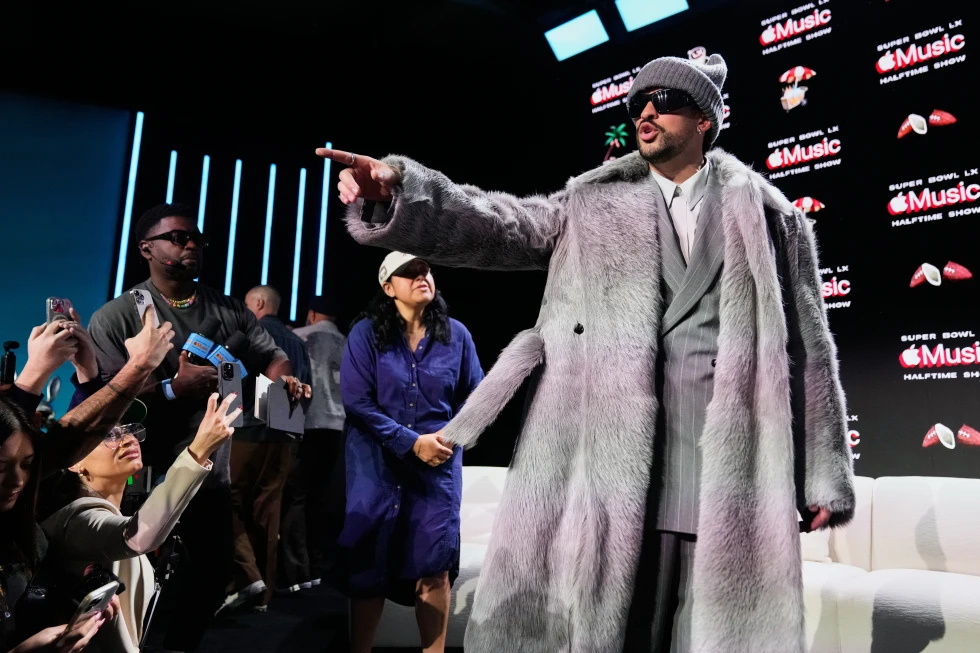
Apple Music Super Bowl LX Halftime Show performer Bad Bunny departs after a news conference, Thursday, Feb. 5, 2026, in San Francisco ahead of the NFL Super Bowl 60 football game between the Seattle Seahawks and the New England Patriots. (AP Photo/Godofredo A. Vásquez)
Santa Clara is preparing to host Super Bowl LX, and Bad Bunny—a Puerto Rican icon and six-time Grammy winner—is set to perform at halftime. As the event approaches, conflicting statements from federal officials have fueled uncertainty and concern about the possible presence of US Immigration and Customs Enforcement during Super Bowl week.
The game is scheduled for Feb. 8 at Levi’s Stadium—just minutes from Santa Clara University—and is drawing thousands of NFL fans from across the country. On Instagram and X, people are calling the week a “boricua celebration,” which translates to a “celebration of Puerto Rican identity,” with plans for tailgates and listening parties outside the stadium for those without tickets.
In recent weeks, statements from Department of Homeland Security officials and advisers indicated that immigration enforcement could be part of the federal presence at the Super Bowl. DHS Secretary Kristi Noem previously said ICE would be “all over that place,” while DHS adviser Corey Lewandowski stated in an interview that there would be “nowhere” immune from immigration enforcement, including the Super Bowl.
However, NFL officials pushed back on those claims this week. NFL Chief Security Officer Cathy Lanier said on Tuesday that ICE officers will not be among the federal agencies operating at Levi’s Stadium and that there are “no planned ICE enforcement activities” connected to the game. DHS officials also told local leaders and the NFL that ICE does not plan to conduct immigration enforcement actions during Super Bowl week.
Despite those assurances, DHS has declined to fully clarify the scope of federal involvement. A department spokesperson said the agency would not disclose future operations or personnel, describing Super Bowl security as a “whole-of-government response.”
Bad Bunny used his Grammy acceptance speech last Sunday to make a political statement, addressing concerns about possible ICE presence at the Super Bowl and in many Latino communities. After winning album of the year, the Puerto Rican artist told the crowd, “Before I say thanks to God, I’m going to say, ICE out,” the remark echoed a similar message he shared online months prior, writing “There are many ways of being patriotic and defending our homelands. We chose music.” His statements reflect a broader pattern of criticism of US immigration policy, and his performance is described as “a powerful symbol of Latino presence and resistance in American culture” at a major national event.
Federal law enforcement involvement at major sporting events, including the Super Bowl, is common. Much of the work that these agencies do typically unfolds out of public view, focusing on counterfeit merchandise, ticket fraud and organized crime. Questions remain, however, about whether immigration enforcement could play a role in security efforts beyond the stadium
“I know there is immense fear in the community,” San Jose Mayor Matt Mahan said in a post on X. “As our region prepares for the Super Bowl and the threat that ICE may conduct enforcement activities in the area, I want to make one thing very clear: our San Jose police officers are here to keep you safe. They cannot and will not interrupt or assist with legal immigration enforcement—but they will protect you, your freedoms and our city.”
With immigration enforcement under the national spotlight, this uncertainty has raised concerns in the community about safety and the outcome of the event.