Stay Away from Sora
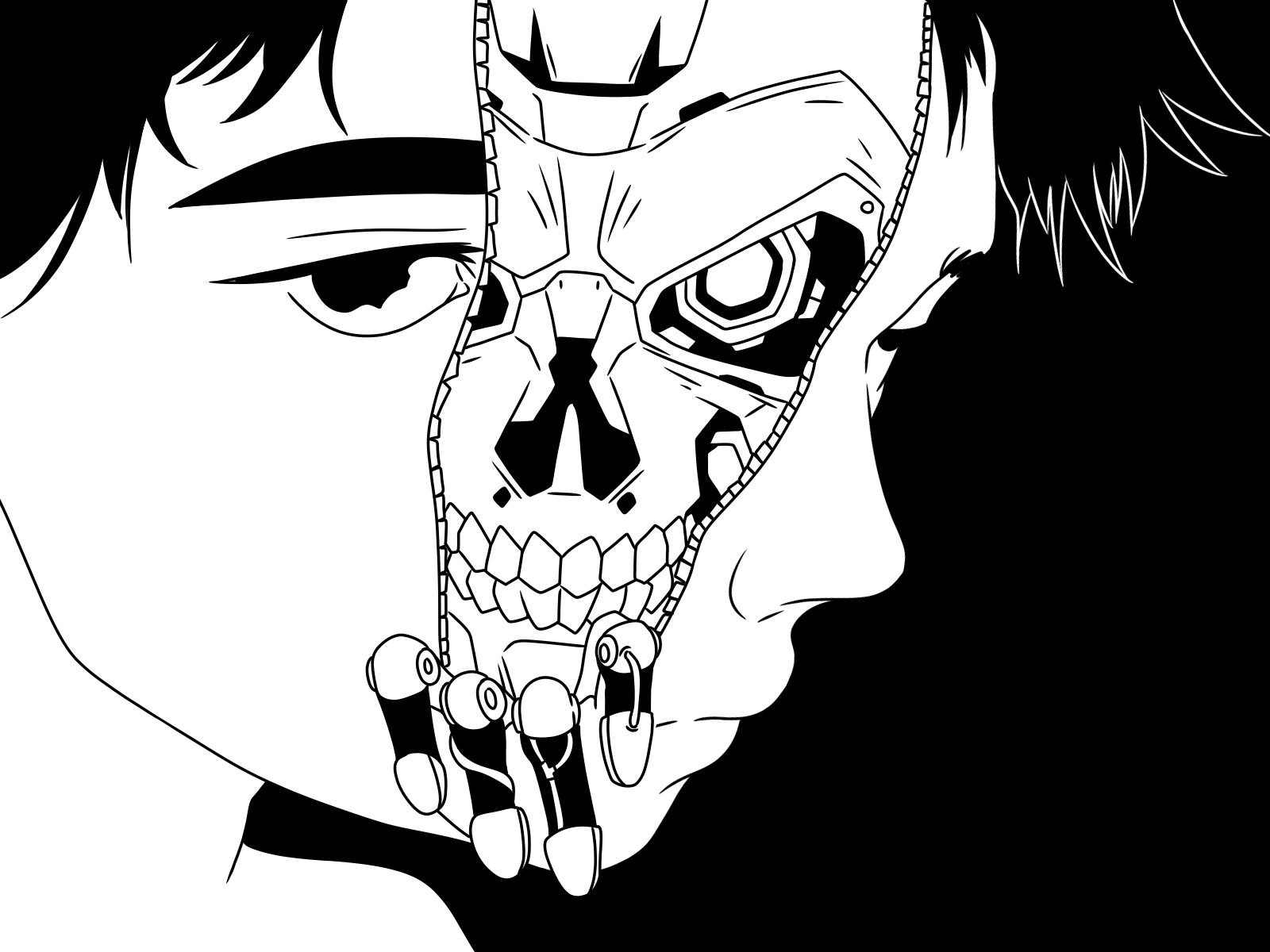
(Dylan Ryu/The Santa Clara)
“I think you should listen to good music, and not listen to bad music,” Jason Isbell, my favorite musical artist, said in a 2018 interview. While Isbell is a renowned songwriter, he has a strong grasp on the creative world, and I think his angle can apply to a new, and really weird form of art: AI art.
Where some might argue that what others consume is none of his business, Isbell thinks about it quite differently. “There are some types of art that make you a better person,” he said. “They help you build a better understanding of what other people are like.”
Other art, he says, does quite the opposite. To Isbell, being a consumer of music—but really being a consumer of anything creative—comes with responsibility. “I can’t just say we’re all fine listening to whatever we want to listen to.”
Isbell’s position is controversial—it can come off as pretentious. But there is some real truth to it. While he was discussing music, I think the argument is poignant and profound in the context of our current social media landscape. In my mind, there’s a big difference in the types of content circling around right now. There’s content that’s created genuinely—with a human at the center of it—to make another human feel something. And then there’s a strange new brand of AI generated content that kind of makes you laugh and kind of makes your skin crawl.
Sora—an AI video generator you may have only recently heard of—is flooding social media algorithms with bizarre AI-generated videos of just about anything. Some of them depict animals doing human things, and others are crazy but shockingly real-looking videos of people.
John Oliver, the host of “Last Week Tonight,” dedicated a July episode of his show to “AI Slop”—a great term for what we’re witnessing. Oliver kicks off the segment by declaring the internet as having given us “unprecedented access to the entirety of human knowledge.” He showed a Sora video featuring a duo of AI father and son cats. I’ve seen much worse though. Some of the highlights from my Sora research included deceased celebrities ordering at In-N-Out, a grandma pickaxing an airplane parked in her front yard, and Albert Einstein participating in UFC.
Sora videos are a waste. It seems like they’re created mindlessly and just to catch our attention with their ridiculousness. When we watch that stuff, we’re ignoring a lot of great content that exists on the same platforms, like TikTok. Funny skits, good rants, sad songs. It’s all literally one click away, which is why it’s frustrating when people opt for slop.
My colleague Antonia Spellacy ’26 said it best in a recent episode of the Bronco Buzz. “As humans, we have so much capacity to create and think…there’s so many really creative things out on the internet…when you’re just scrolling through AI videos, it does feel kind of demeaning,” she said.
There is a lot of cool stuff on the internet. All over social media are people who demonstrate unique interests, talents and points of view. They show us what it means to be human! This is why I’m pretty pro-social media. It’s an amazing opportunity to be yourself and relate to other people.
Obviously, I am not the definitive judge of what people should or shouldn’t consume. These are just my opinions. That being said, here are a couple of ground rules I’ve made for the types of content we’re best off engaging with in our current era.
First, the content we watch should evoke some genuine emotion. I’m comfortable saying that this criterion excludes AI-generated content. While human emotions feed AI, the final product—at least to me—does not feel “human” enough to elicit an emotional reaction. If you feel differently, I am genuinely curious to learn more so please reach out. Our email is opinion@thesantaclara.org.
Second, we should value content that stands out. The trends of absurd Sora videos is really just people competing to see who can make the most random videos. Despite how strange they are, Sora-style videos are becoming cliché. The music industry is much different from what exists in a Sora industry, but it definitely has a lot of cliches in it, and we can relate that to what we’re seeing with Sora.
Jason Isbell describes cliché music as alienating. Why? It lacks the ability to connect to the listener but boasts massive amounts of engagement. This sounds similar to AI-generated videos on social media. Maybe you see a video that feels inauthentic or unrelatable, but it’s going viral, so people must like it! You swallow your craving for authentic creative expression, and this makes the next person after you feel even more alienated. It’s a cycle.
It’s true that the creators of some of these Sora videos could fire back at me and say that these videos are their creative outlet. I partially can’t dismiss that. Like I said, they are the ones who give the AI ideas, so I guess they could say it’s the way they express themselves? If they feel fulfilled by those creations, that’s great. But like I said, Sora videos really don’t seem creative to me. They instead seem vacuous, despite how unique they can appear. They give the viewer nothing besides some braindead chuckles. We call it slop for a reason—we know what we’re doing!
Maybe at some point in the future, AI social media content could develop into something more meaningful. If it could retain some of the humanness from the actual human who prompted it, that would be very strange, but interesting. Maybe there’s some version of this now that I just don’t know about. Like an AI cat video that’s actually very profound.
For now, we should try to not squander the opportunity we have when we go on social media. Rot in bed, I don’t care. But watch genuine stuff. Humans are really powerful and unique, and social media is a really great way to explore that.