The Age of Trinkets and a Global Collectible Craze
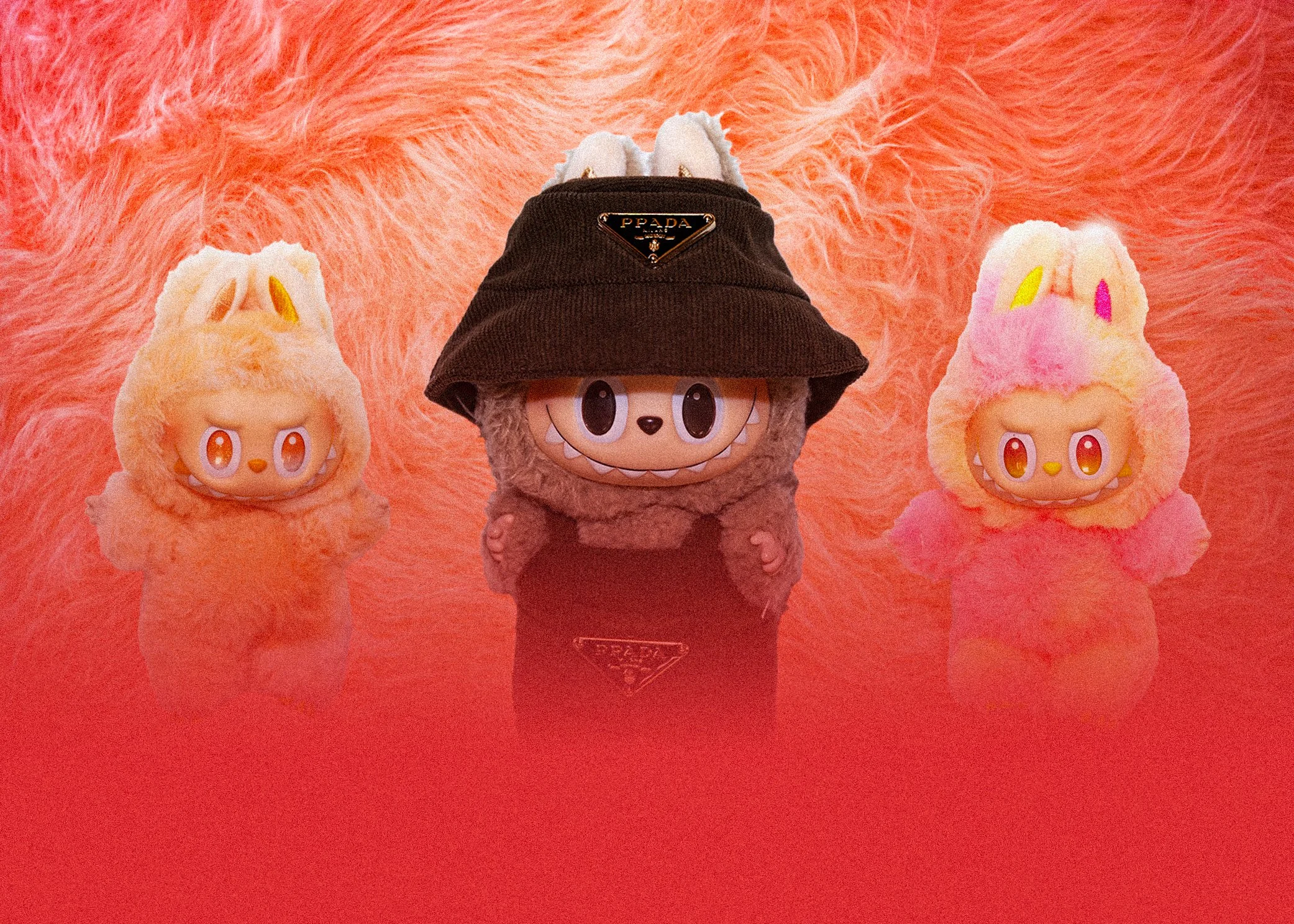
There are over 50 Labubu keychain variants. Photo illustration by Nina Glick
At the local Westfield Valley Fair mall, just a ten-minute drive from campus, a glossy POP MART display stands tall, with lines of college-aged students hovering over rows of identical blind boxes. Each box holds the promise of the sought-after Labubu keychain—perhaps the standard brightly colored monster, or, if someone is really lucky, the rare blacked-out monster with glittery rainbow eyes, worth hundreds of dollars on resale sites. Outside the store, nervous customers pull the cardboard tab to reveal their prize—sometimes sending them straight back to the register, a ritual as essential as the keychain itself.
Scenes like this are unfolding across the globe: at the center are blind-box collectibles, toys small enough to fit into a pocket but powerful enough to drive millions in sales thanks to the mystery built into each purchase. For many collectors, the allure isn’t just the figures themselves, but the ritual of unboxing and the sense of affordable luxury they’ve come to represent.
The Labubu, created by Chinese-Dutch artist Kasing Lung, began as a quirky forest creature in his collection The Monsters. Once a niche favorite among Asian collectors, it exploded into the global spotlight after Lung partnered with Chinese toy company POP MART and Lisa of K-pop group BLACKPINK featured a Labubu on her social media—followed soon after by appearances from other stars like Rihanna and Dua Lipa.
So, why?
“I thought it was ugly before until people started carrying it around,” said Katie Liu ’26. “I think I really got into it because of how hard it was to get a Labubu.”
Labubus have become part of a broader trend of “affordable luxury,” popularized by brands like Coach and shopping mediums such as TikTok Shop, which aim to capture the social and emotional appeal of high-end purchases while offering price points accessible to most consumers.
While a singular Labubu fits this model—running about $27.99 per box in the United States—the resale market, shaped by behavioral economics, tends to fetch higher prices.
This is because blind boxes use rarity tiers—from common to secret figures making up a tiny fraction—to create a lottery-like system: people keep buying for the small chance of getting the figure they want among dozens of choices.
“I get scared of getting one that I don't like,” said Liu.
“This framework is a repetitive loop of impulse buying akin to addiction,” said researchers Lee, Wyllie and Brennan in a study examining the risk-reward dynamic of blind box purchase. “The successful acquisition of a desired item provides tangible positive feedback from the accomplishment, which in turn increases the self-esteem of the consumer.”
That thrill of chance and reward isn’t new—it’s defined collectible culture for decades, just in different forms.
Originating with Japan’s Gashapon machines and even earlier with baseball cards tucked into gum and cigarette packs as far back as the 1860s, POP MART is hardly the first to capitalize on the thrill of the unknown.
Nor are they the first to tap into the human fascination with collecting.
Trinkets, small toys and collectibles have long been embedded in popular culture. Whether it was Beanie Babies, Pokémon cards or Monchichis, the appeal of affordable luxury has never really gone away. The act of unboxing these trinkets has become more than an intergenerational fad, but a form of self-expression.
“If I see someone in real life with a Labubu, I do say ‘I like your Labubu!’” says Dr. Heather Turner, an assistant professor in the English department. “Any time someone else says it to me I feel a nostalgia for pre-pandemic life where I felt much more comfortable talking with strangers. During quarantine I lost that skill, but Labubus are a helpful and low-stakes entry point for me.”
Online, collectors of all ages have taken to filming their reveals of rare finds, turning what was once a niche hobby into a shared performance of connection, taste and identity. For many, the community built around these toys blurs the line between connection and consumerism—further proof that the thrill of collecting isn’t bound by age or generation, but by the joy of discovery itself.
Turner shares in this joy. “I like to enjoy them! I have mine in my work office as my body-doubling helper.”
Show us your Labubus! Share your favorite trinkets and collectible finds with us @thesantaclara.