The System is Broken—But The People Aren’t
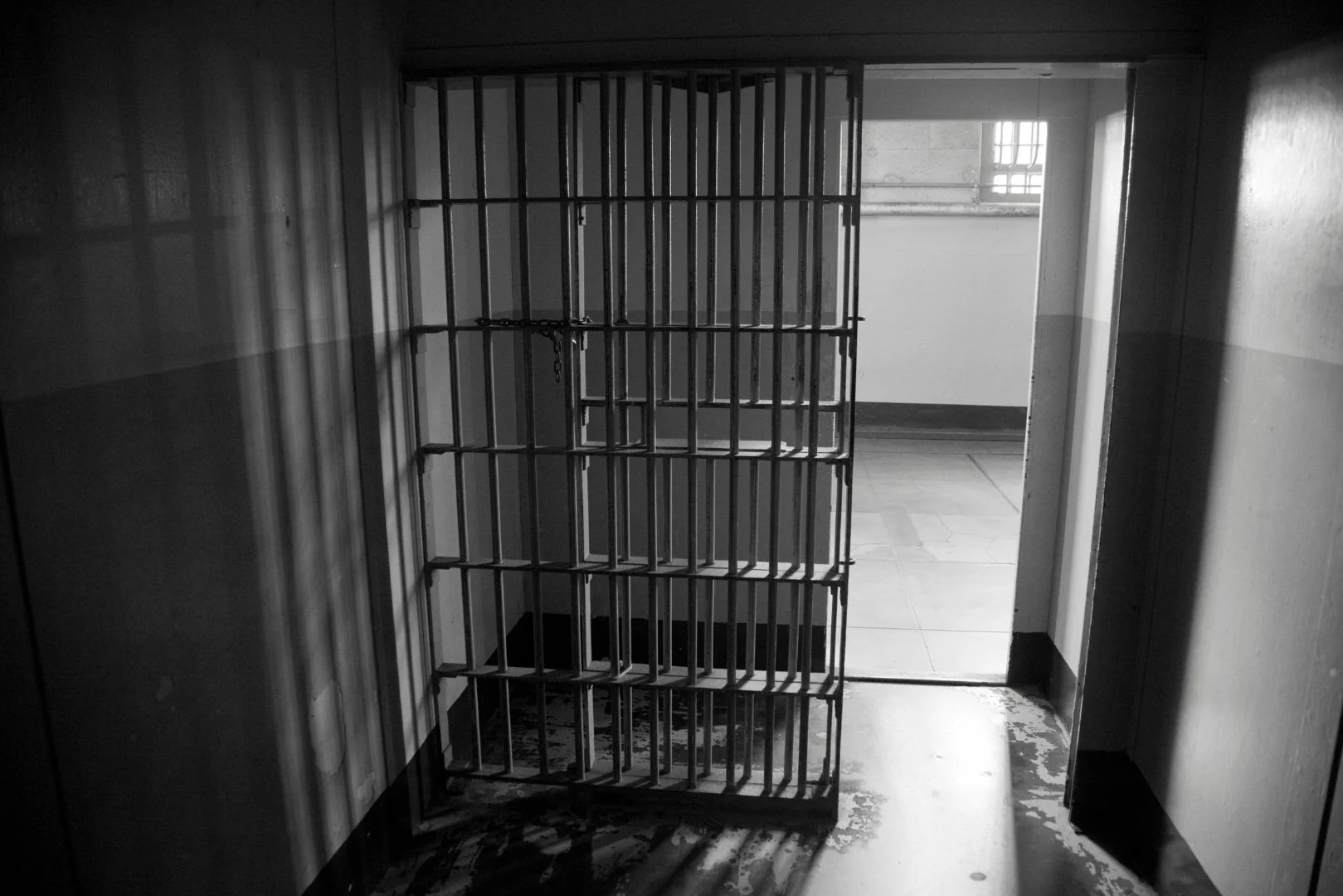
In the United States, nearly 2 million people are incarcerated, 28,000 of whom are youth. Photo from Getty Images
Justice can serve to punish or rehabilitate, but it ultimately serves to right a wrong and restore what is just.
Part of our justice system is prisons, an inherently dark place because of the deep hurt it represents between people and within society. Yet, in there is also a profound hope and capacity for change.
When I spoke to someone who was formerly incarcerated, I was overcome with sadness yet inspired by his experiences. “I moved out there when I was six years old, started hanging out with gang members, always carried around a gun with me,” said Steven, who moved to Santa Barbara. “You know, in and out of the system, in and out of jail.”
In the United States, nearly 2 million people are incarcerated, 28,000 of whom are youth, according to a 2025 report from the Prison Policy Initiative. 60% of ex-prisoners face unemployment, according to a recent New York Times article.
Steven wanted to turn his life around after getting out of prison but was consistently denied work due to his record. Eventually, he found Homeboy Industries in Boyle Heights, Los Angeles, a program that assists former gang members and the recently incarcerated with mental health counseling, fostering community and employment.
The program gives Steven the mental support he needs to find his footing in a world that’s already placed him at a disadvantage, and that support is keeping him from going back to his old life and persisting in his employment journey.
“It has really changed my outlook on life, and the way I look at things … just the whole nine yards … Homeboy Industries kept me alive, and out of prison. It’s amazing that I’m still here, and I would love to give back to the community, by you know reaching out in any type of way that I could, you know?”
The themes of childhood trauma, imprisonment and societal ostracization in Steven’s story post-incarceration point to the dehumanization of prisoners within the United States.
“The prison complex is primarily designed just to store people, thousands of people in that kind of warehouse setting,” said Dr. Patrick Lopez-Aguado, a Professor of Sociology at Santa Clara University who specializes in race and incarceration and juvenile justice. “It kind of preys on the weakest members of society, right. The most vulnerable.”
“The system has to take seriously how people can have stable lives coming out of prison,” Dr. Lopez-Aguado said. “Because without that, what other outcome can we expect? For people to violate, to commit more crime and to stay in this perpetual loop.”
In such a perpetual loop, second—and even first—chances may be denied by society.
“When men would share their regrets about things in their life, mistakes they had made, it certainly gave me a lot that I never would have probably received because their stories were always so personal and so much from their heart,” said Joseph Kraemer, S.J., a former prison minister and Jesuit priest visited with imprisoned persons. “Often stories about growing up in households that had in them neglect or abuse, people who had come from very impoverished situations who maybe didn't have the love of parents.”
Structural violence has a role to play both before, within and after incarceration. One such tragic case involved a boy named Kalief Browder, who was wrongfully imprisoned for three years at Rikers Island—one of the most dangerous jails in America—for a backpack he didn’t even steal because his guilt was assumed. That cost him his life by way of suicide.
“The issue is that so many people are being racially profiled,” says Lauren Sundin, who is studying public health sciences. “And they're being put in jail because of a facet of their identity and not because of their actions or behaviors.”
“I was 20 at the time … and some of the guys looked younger than me,” said Charlie Oslen ‘26, on his visit to Rikers Island with a prison chaplain earlier in the school year. “It's so easy to see the tattoos all over their neck and arms and back, it's so easy to see the chipped tooth … we're called to look past that jumper and to shake hands with the man. It’s beautiful to see the world from their eyes.”
We can strive for a more just justice, which upholds the dignity and goodness of the human person. One day, maybe the “perpetual loop” will finally stop. Until then, the men and women who retain hope and love are the spark that can’t be extinguished, even by the most profound suffering and despair.
Fr. Kraemer recalls a conversation with an imprisoned man on Halloween, “He just was so delighted, laughing, trying to picture his kids dressed as superheroes … And it gave me hope to see how even in the darkest and most difficult physical situations, the spirits of these men would often arrive at a place that had in it hope and humor, and care for each other too.”