Literacy and Community through Lending Libraries
The Little Free Library non-profit organization set out with a goal of serving as “a catalyst for building community, inspiring readers, and expanding book access for all,” according to the organization’s website . Little Free Libraries decorate lawns all across the country, inviting passersby to scan the spines for a title that interests them—and there are many in our own backyard.
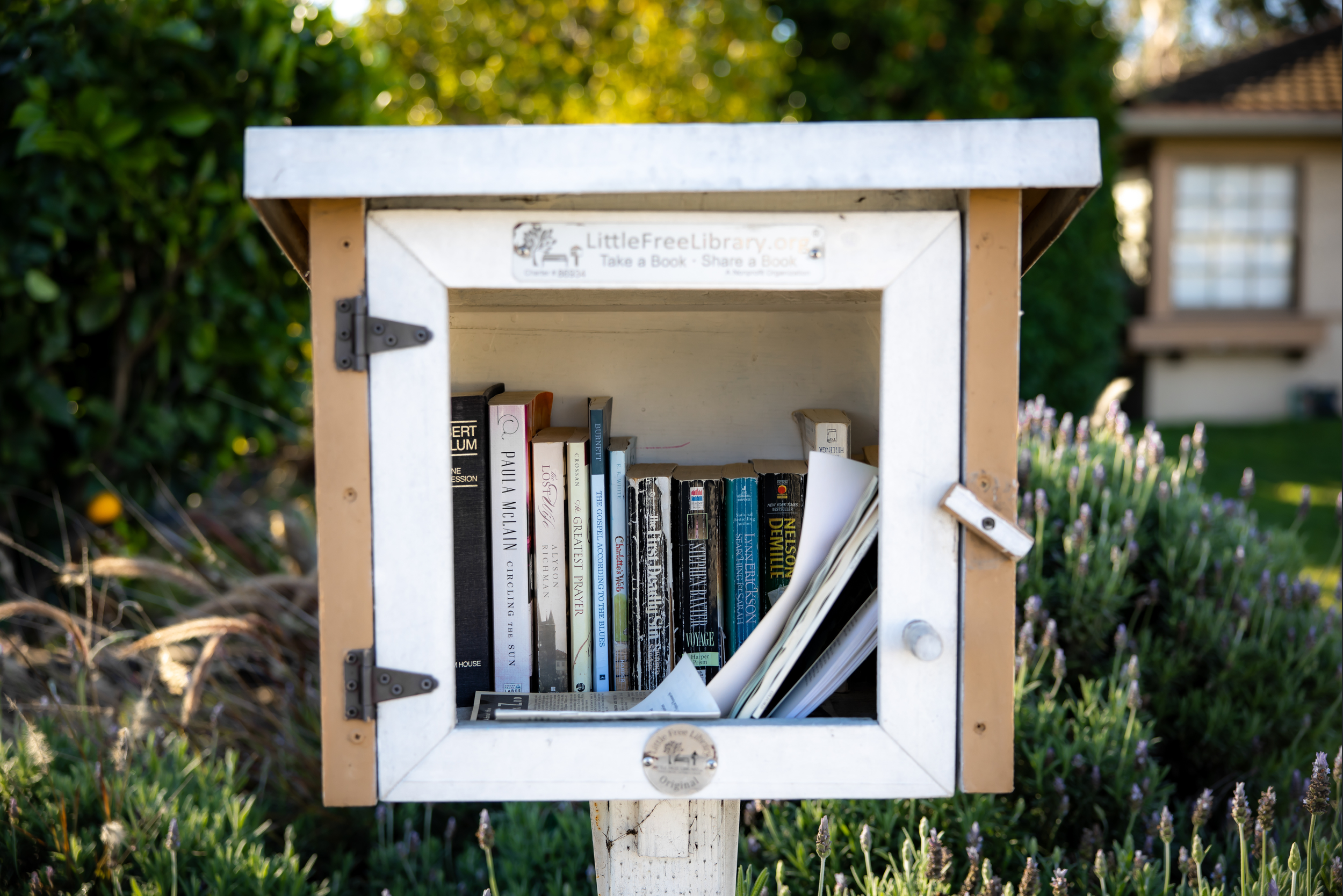
A Little Free Library on Newhall Street. (Elaine Zhang/The Santa Clara)
Santa Clara University students who enjoy walking or running in the surrounding neighborhoods might not have even noticed the abundance of these lending libraries, but once you notice them, they are unavoidable. The photos of Little Free Libraries include locations on Alviso Street, Park Court and Newhall Street.
Lending libraries operate on a ‘take one, leave one’ basis, but contributing in any fashion benefits the literary world. These libraries run on the honor code. There is no one policing how many books you take, just a sense of trust that people who take a book will value it, and hopefully return with an old book to keep the cycle going. Donated books are often marked up at second hand thrift stores and public libraries only allow patrons to borrow books.
I have noticed significantly more lending libraries here than in other places I have lived. I can’t help but wonder what type of communities choose to host these book-giving centers. Perhaps these communities value literacy, generosity and access to books for all.
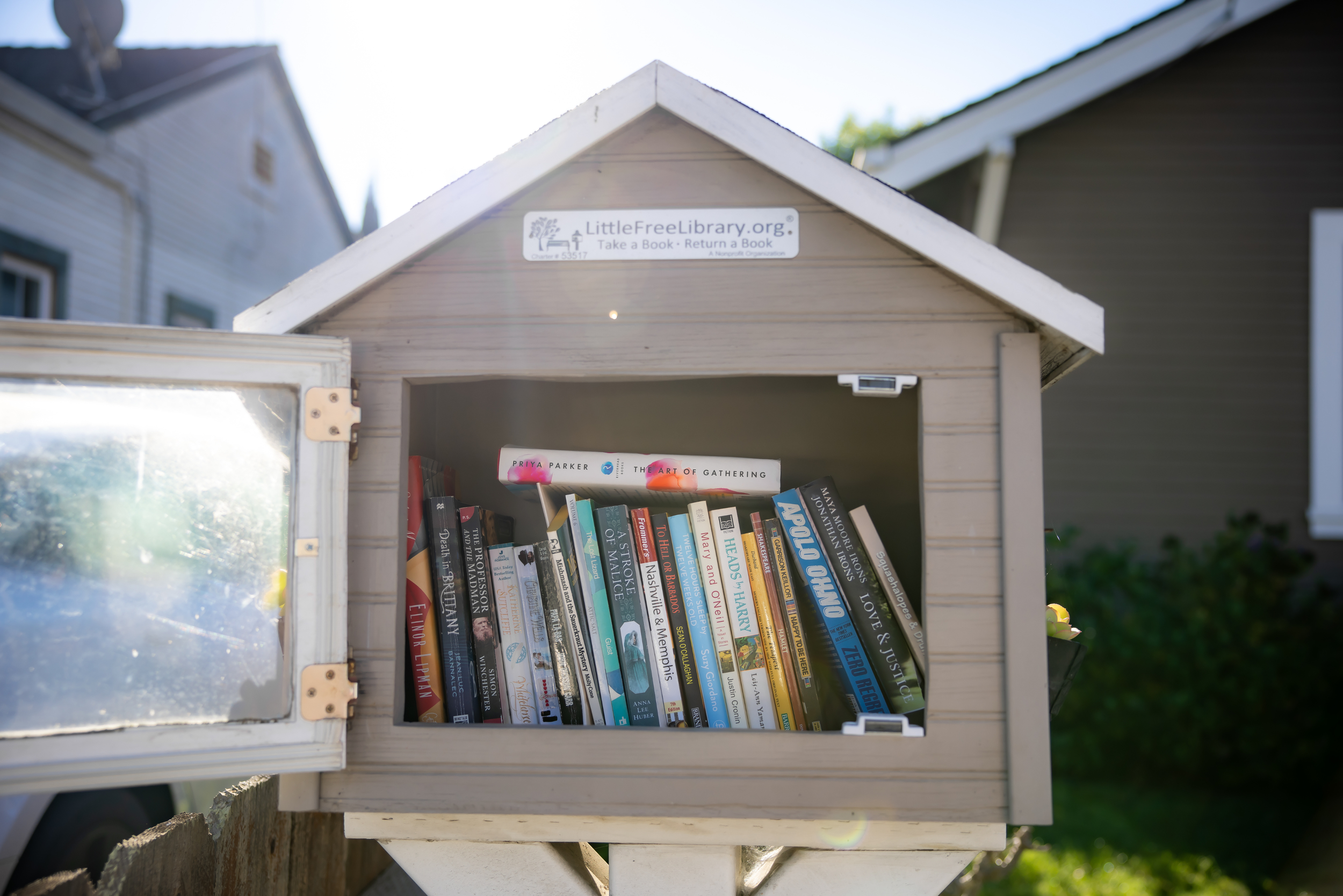
630 Park Ct., Santa Clara, Calif. (Elaine Zhang/The Santa Clara)
Little Free Libraries encourage literacy and open access to information. While public libraries also provide access to similar resources, Little Free Libraries present a certain community aspect because they are within neighborhoods. Community members wishing to start a lending library can identify a location, build a library box, register their library and set up a steward account.
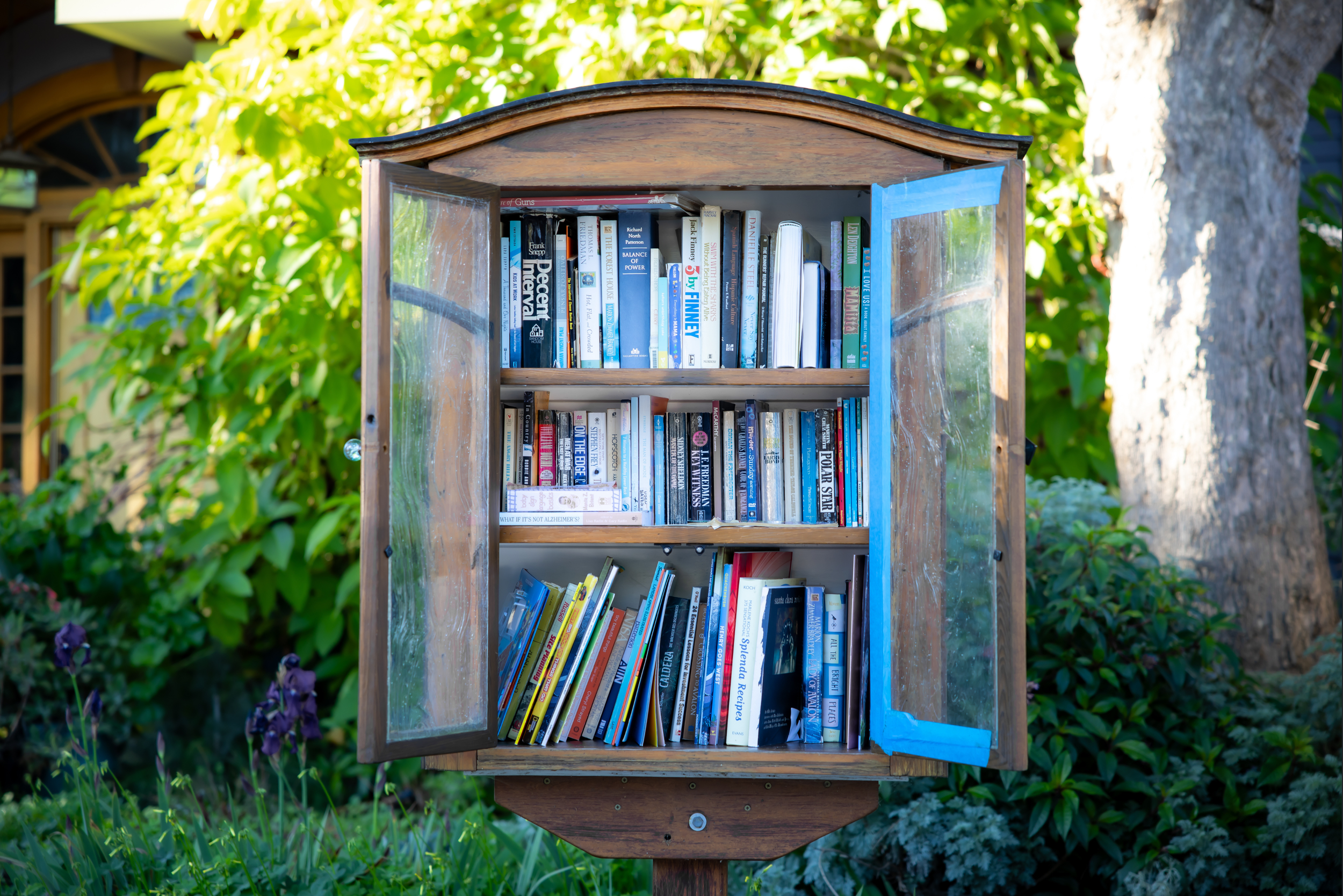
Park Court. (Elaine Zhang/The Santa Clara)
We need a more empathetic world, and reading shrinks the empathy gap. Diversity in books is essential for this.
Reading fiction can give you a different perspective, and helps you understand the world from the point of view of those with diverse identities. Reading nonfiction can make you a more informed citizen, voter and human. Understanding the struggles of different demographics of people can only happen if you read a wide variety of books.
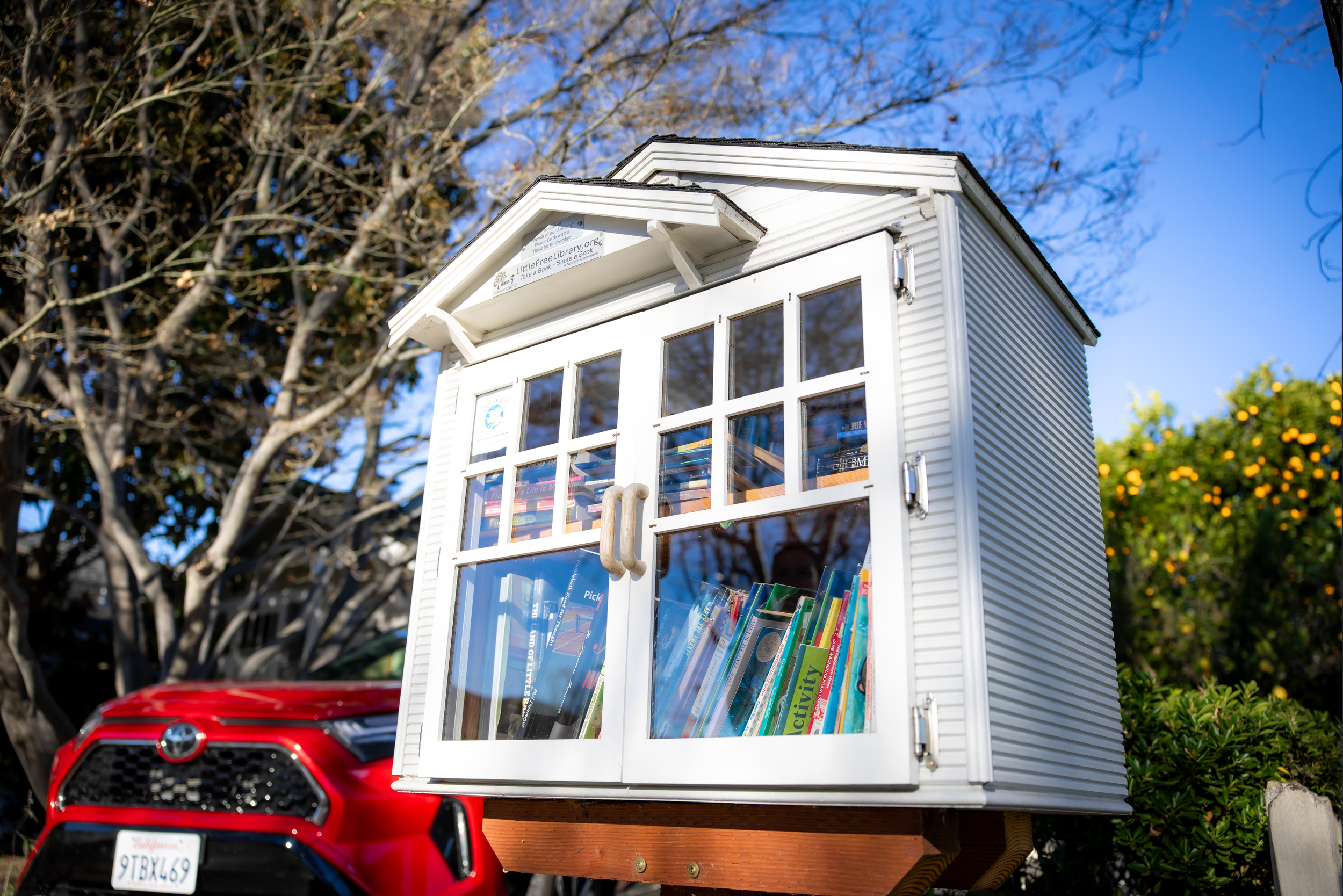
763 Park Ct, Santa Clara, Calif. (Elaine Zhang/The Santa Clara)
Little Free Libraries provide a chance for people to read more in a time of less reading. According to The Guardian, children now read less than they did in past generations. In a time of increased screen time, access to books becomes increasingly important. “The median American read two books in 2025,” according to Literary Hub. It is my belief that children exposed to screens too early experience instant gratification, rather than the delayed satisfaction that reading provides. Readily available access to books within neighborhoods promotes healthy attitudes around reading.
Reading across genres benefits readers who are willing to read outside their comfort zones. Taking advantage of community resources helps promote fellowship within neighborhoods and education. I hope that students and community members will take advantage of the abundance of Little Free Libraries in the area. A community that values reading better prepares people for the diversity of the world, all while making them more educated. It doesn’t matter what book you pick—just read.
Consult the Little Free Library map for more locations.