What matters more? Talent or money?
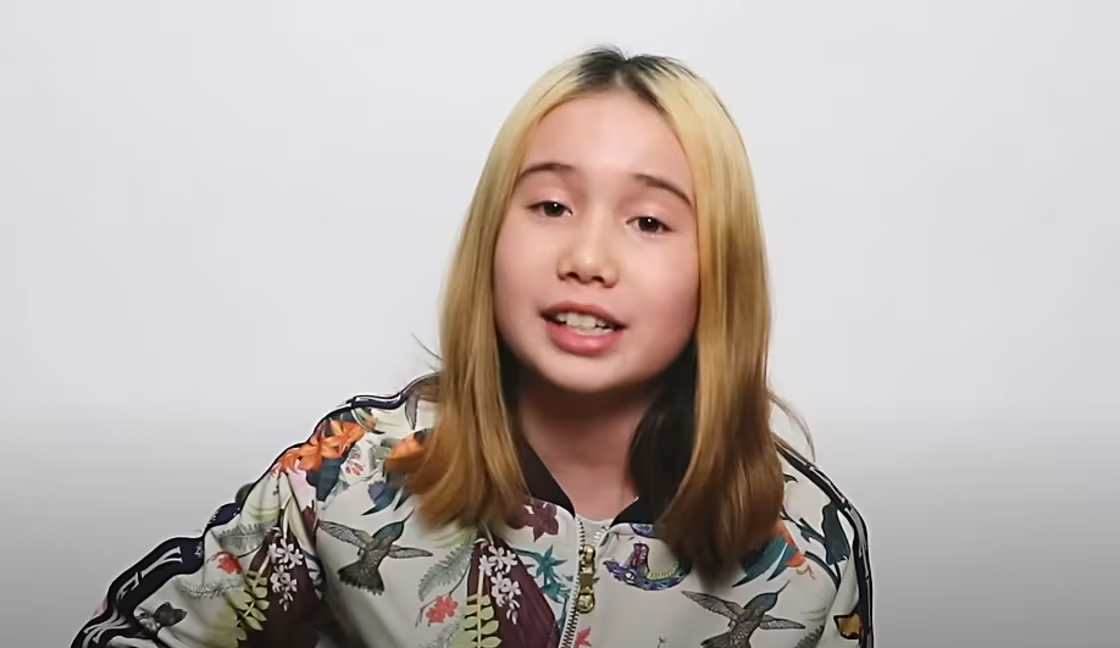
Lil Tay. Lil Tay via YouTube
With the rise of social media today, more and more fringe internet celebrities—famous figures who have little talent but are extremely successful and popular through social media—have risen rapidly through algorithms, marketing and money.
These fringe influencers are muddying the waters of pop culture and blurring the line between genuine talent and shallow, sometimes inexplicable and baseless hype. This is not to say that A-list celebrities—widely recognized public figures whose fame is sustained by exceptional talent, consistent achievements and cultural influence across large audiences—are on the decline. On the contrary, they are also adapting to these new platforms and tools to increase their fame and stabilize their influence, but the influx of fringe internet celebrities has been too much.
Throughout the history of modern pop culture, fame has always been shaped by a mix of talent and capitalism. However, fame in the past required actual talent as a foundation. Any celebrity would have to have one or a combination of skills including acting, singing, dancing or performance, and have to be extremely proficient in these skills in order to maintain their fame, no matter the source of said fame. Studios used capitalism to hype up and advertise these celebrities through marketing and image-making, but they invested in people who already had talent that could sustain that fame.
The Beatles’ success is a good example of talent amplified through capitalism. Their album marketing and global tours made their music known to the world. But it’s their musical innovations that actually greatly influenced how pop music is produced even today.
In addition, fame in the past was harder to achieve and more concentrated. A-list celebrities were widely recognized across the world, and the public could only keep up with a limited number of stars—which gave their fame more weight and cultural significance than the fleeting visibility many fringe internet celebrities enjoy today.
Yet, in the age of social media, the role of capitalism has shifted from amplification and support to the driving force and manipulation of fame. It rewards visibility and hype, even without talent, through manipulation of social media.
In its most popular forms, such as short-form media and streaming, social media allows ordinary people who had no connection with big media companies or studios to rise to fame in a very short amount of time. However, the inherent traits of social media—personalized recommendation and randomized recommendations through different algorithms—are becoming a double-edged sword. They can spotlight hidden talents, but they also let those with enough money or strategy buy exposure through ads, bots, or collaborations.
Great examples of this include the Paul brothers and Lil Tay, both of whom demonstrate one aspect of how capitalism influences modern fame. The Paul brothers started on Vine, then moved to YouTube, gaining attention through poorly written pranks, dangerous stunts, controversies and collabs with other influencers, with little to none of their content being “original”. They invest heavily in marketing and collaborations, leveraging shock value for clicks and fame.
Lil Tay went viral on Instagram as a child by swearing, showing off rented super cars as her own and flashing stacks of cash. Her persona was carefully manufactured to exploit shock value and stand out through contrast. If the Paul brothers’ example was about how controversies and collaborations could farm fame from other influencers and social media, Lil Tay shows how even a fake persona can gain a lot of spectacle and fame when marketed correctly.
With social media, fame no longer requires a baseline of talent and artistry, and visibility itself has become a commodity.
The impact and influence of this can become huge. On one hand, with these fringe internet celebrities being manufactured quickly, they have less pressure to maintain their “pristine” persona, or they might be expected to do bad things because that’s what they did to gain that fame in the first place. Therefore, these FICs can misuse their fame, promoting harmful products, spreading misinformation, or exploiting innocent fans for their kindness and money.
As the focus shifts from quality and artistry to attention-grabbing stunts, cultural standards for media begin to decline. The line between talent and ungrounded hype becomes blurred, lowering public expectations of what is considered “good art” and “good entertainment.” Yes, established A-listers will still thrive and use social media, but their cultural and artistic contributions are harder to distinguish and harder to measure amid the flood of FICs.
This leaves a lot of food for thought: If hype, not talent, becomes the standard for celebrity, what will the future generations consider “iconic” and “good entertainment”?