A Year of Trends for Broncos
Throughout the 2025–26 academic year, trends were easy to spot across Santa Clara University’s campus. From Labubus clipped on Trader Joe’s tote bags to Owala bottles on desks to students repeating “67” between classes, internet trends became part of everyday campus life.
Not defined by one style, sound or platform, this year’s trends moved quickly from online spaces into group chats, residence halls, classrooms and conversations. "A Google Form sent to University students reflected these larger patterns, with students pointing to social media, friends and online humor as major influences on what became popular throughout the year.
Where Do Trends Come From?
TikTok remained one of the most powerful trendsetting apps, especially for slang, memes, food, fashion and music. Other short-form video platforms, such as Instagram Reels and YouTube Shorts, also played a major role in shaping trends.
According to Pew Research Center’s 2025 Social Media Fact Sheet, the top three social media platforms used by U.S. adults ages 18–29 are YouTube, Instagram and TikTok. Student responses at Santa Clara University reflected that broader pattern, with many naming at least one of these platforms as a source for trends.
A trend may begin on TikTok’s For You Page, but it becomes part of campus culture when students bring it to settings beyond the algorithm.
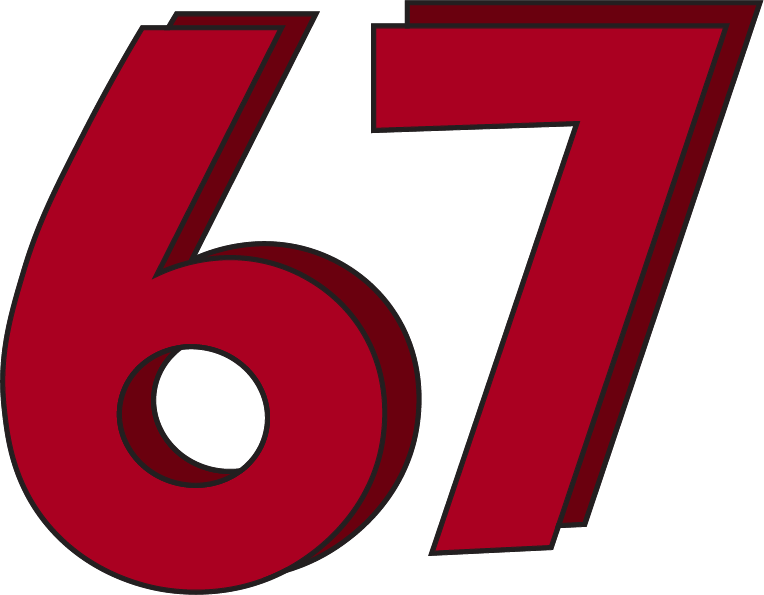
Slang and Brainrot: The Year of “67”
(Barrett Efta for The Santa Clara)
Each school year brings new vocabulary, and 2025–26 was no exception. One undefined phrase that has yet to disappear is the infamous “67.” The term comes from the 2024 song “Doot Doot,” by Skrilla, and has rapidly evolved since then. While the joke’s actual meaning has remained unclear to many, this hasn’t hindered its spread as a buzzword across the country—and Santa Clara University students were not immune.
The term appeared several times in the survey, with some students describing it as overhyped and others as underhyped. Phrases like “67” become funny through repetition, tone and timing rather than meaning, making them feel like inside jokes.
“I think ‘67’ is definitely overhyped, but I still say it,” said Taylor Mallinger ’28. “It’s a running joke between my friends and me.”
Other slang and meme phrases mentioned in the survey included “opp,” “lock in,” “mog” and “vocal stim.” “Opp,” short for opposition, refers to an enemy or rival. “Lock in” means to focus or take something seriously. “Mog” refers to outdoing someone, often in appearance or confidence, while “vocal stim” describes repeated sounds or phrases.
These terms are often associated with Gen Alpha, but have infiltrated steadily into Gen Z vernacular as well. College students may adopt them ironically at first, but often they quickly become part of everyday vocabulary.
Fashion Trends You Can’t Ignore
(Barrett Efta for The Santa Clara)
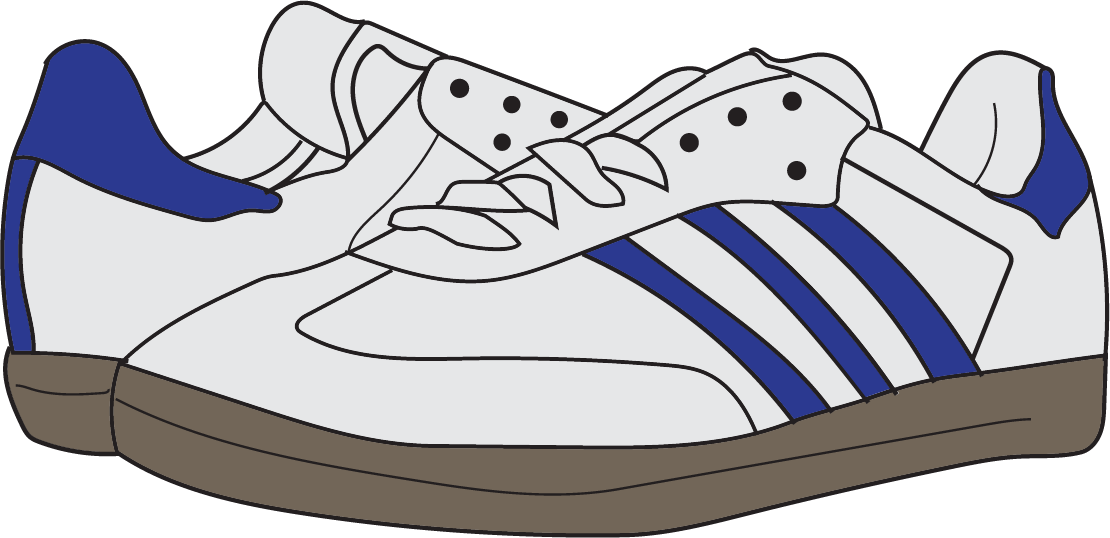
Fashion trends were impossible to ignore this year. From colorful Sambas to Y2K-inspired baggy jeans and preppy “old money” looks, students saw a wide range of styles circulating across campus and social media.
Vintage fashion also continued to grow in popularity. Thrifting has become both a style and sustainability choice, with students seeking one-of-a-kind pieces secondhand.
At Santa Clara University, this interest in secondhand fashion was visible at Bucky’s Closet, the University’s student-run free thrift store, which repurposes items for students, staff and faculty. Fashion also serves as a form of creativity on campus, with events like the EcoFashion Show and the Fluidity Fashion Show showcasing student style through vintage and handmade pieces.
Food and Drinks Turned Aesthetic

(Barrett Efta for The Santa Clara)
Dubai Chocolate was one of the most talked-about viral food trends from the past year. The dessert, known for its pistachio filling and crispy kataifi, gained popularity on TikTok.
Matcha also remained a major beverage trend, functioning as both a drink and part of a broader aesthetic tied to cafe routines, study habits, wellness culture and curated social media posts. Associated with the “performative male” aesthetic, it has become more than just a beverage.
Not all food and drink trends fit this TikTok-driven pattern. Banana flavors also gained visibility this year, appearing in both local cafés and national chains. In 2026, Starbucks added an Iced Banana Bread Matcha, and Dunkin’ launched banana-inspired drinks.
One surveyed student supported banana-flavored snacks. “I think banana-flavored snacks are underrated because I see so many people dismiss them without actually giving them a chance,” said Niusha Golabi ’26. “Unlike food trends like Dubai chocolate, banana flavor has stayed consistently good without needing to be a trend.”

(Barrett Efta for The Santa Clara)
Trinkets and TikTok Shop
Some of this year’s biggest trends were not memes, fashion or food, but small collectible items. Many students found joy in purchasing the newest popular trinkets.
Labubus became one of the most visible examples, appearing on bags, social media feeds and in everyday conversation. The small fuzzy creatures’ massive online popularity turned them into both fashion accessories and status symbols.
Other collectible figures, such as Smiskis and Sonny Angels, followed a similar pattern. Smiskis are small glow-in-the-dark figures, while Sonny Angels are cherub-like collectibles often displayed on phones, laptops and shelves.
Students also named Owala water bottles and Trader Joe’s tote bags as popular trends.
“I love Owalas because I can use the straw or sip from them, and the colors let me personalize my own combo,” said Sienna Pearson ’27. “It’s a great balance of convenience and fun for me.”
Owalas appeared on campus early in the year through brand promotions. In September, Handshake and Google Gemini hosted a pop-up at Santa Clara University, offering branded bottles and other merchandise.
Trader Joe’s tote bags also gained popularity for their variety of colors, low price and playful design. In April 2025, Trader Joe’s released its first set of four mini pastel totes, followed by seasonal and expanded versions, including Halloween and summer-themed releases.
TikTok Shop has also made trend participation easier than ever, allowing users to buy products promoted by influencers, often at lower prices than elsewhere.
Music, Movies and TV
Entertainment trends extended beyond short-form videos, with students highlighting music, movies and TV shows that shaped their year.
Artists such as Zara Larsson gained renewed attention, with her music and tour trending on TikTok. Songs like “Stateside,” “Midnight Sun” and especially “Lush Life” inspired viral dance clips.
“I saw the ‘Lush Life’ dance a bunch of times all over Instagram until I was inspired to learn it,” said Elizabeth Dahlen ’28.
Fan communities also played a major role in trend cycles, with monikers like KATSEYE’s Eyekons and Ella Langley’s Ella Fellas reflecting the strength of online fandoms. KATSEYE, in particular, shows how songs can gain traction even amid mixed reactions. Tracks like “Gnarly,” “Internet Girl” and “PINKY UP” have been praised for their energy and criticized for their lyrics, yet even negative attention can amplify popularity.
Movies and TV followed a similar pattern. Students mentioned series such as “Euphoria” and “Tell Me Lies,” along with reality shows.
Streaming platforms continue to shape viewing habits, despite criticism over long gaps between seasons and shifting audience expectations. “Dancing With the Stars,” on air for over 20 years, still draws viewers through celebrity appearances, while “The Traitors” maintained attention with its 2026 winner, Rob Rausch, who first gained fame on “Love Island USA.”
For shows like “Dancing With the Stars” and “The Traitors,” online clips, edits and reactions allow audiences to keep engaging after episodes air, extending their presence through social media.
(Barrett Efta for The Santa Clara)
The Downsides of Trend Culture
Not every trend this year was embraced equally. Many students pointed to the widespread use of artificial intelligence and AI-generated content as overhyped or even harmful. This frustration also appeared in college commencement settings, where some graduates reportedly pushed back against AI-centered speeches. The Associated Press reported on several 2026 commencement speakers who were booed after praising AI, reflecting student anxiety about its impact on future careers.
While AI-generated memes, images and videos can be entertaining, many students view them as inauthentic or problematic. Trends like “tung tung tung sahur” and “fruit Love Island” gained attention online, but concerns about originality, accuracy and environmental impact remained.
Overconsumption also shaped this year’s trends. Constant exposure to new products left many students feeling pressure to make impulsive purchases to stay relevant. The same platforms that make trends feel exciting can also make them feel overwhelming.
Wrapping Up 2025-26 Trends
The 2025–26 academic year was defined not by a single trend, but by how quickly trends appeared, spread and disappeared. A trend that felt unavoidable one month could feel outdated the next, creating a culture shaped by constant reinvention.
By fall, many of this year’s phrases, products and media may already be replaced. For Santa Clara University students, the year reflected how online trends moved into campus culture through social media, friends and everyday conversations. Trends that began on Instagram and TikTok quickly influenced humor, fashion and social interactions, shaping how students connected, communicated and experienced the year.